Rubber vs. Butterfly vs. Locking Clutches: Which Back Should Your Enamel Pins Use?
The best back for enamel pins depends on where the pin will live. Rubber clutches are the standard at Customized Enamel Pins and suit most everyday wear, butterfly clutches give a classic metal look for formal lapels, and locking clutches are the choice when losing a pin is not an option, such as bags, hats and trading lanyards.
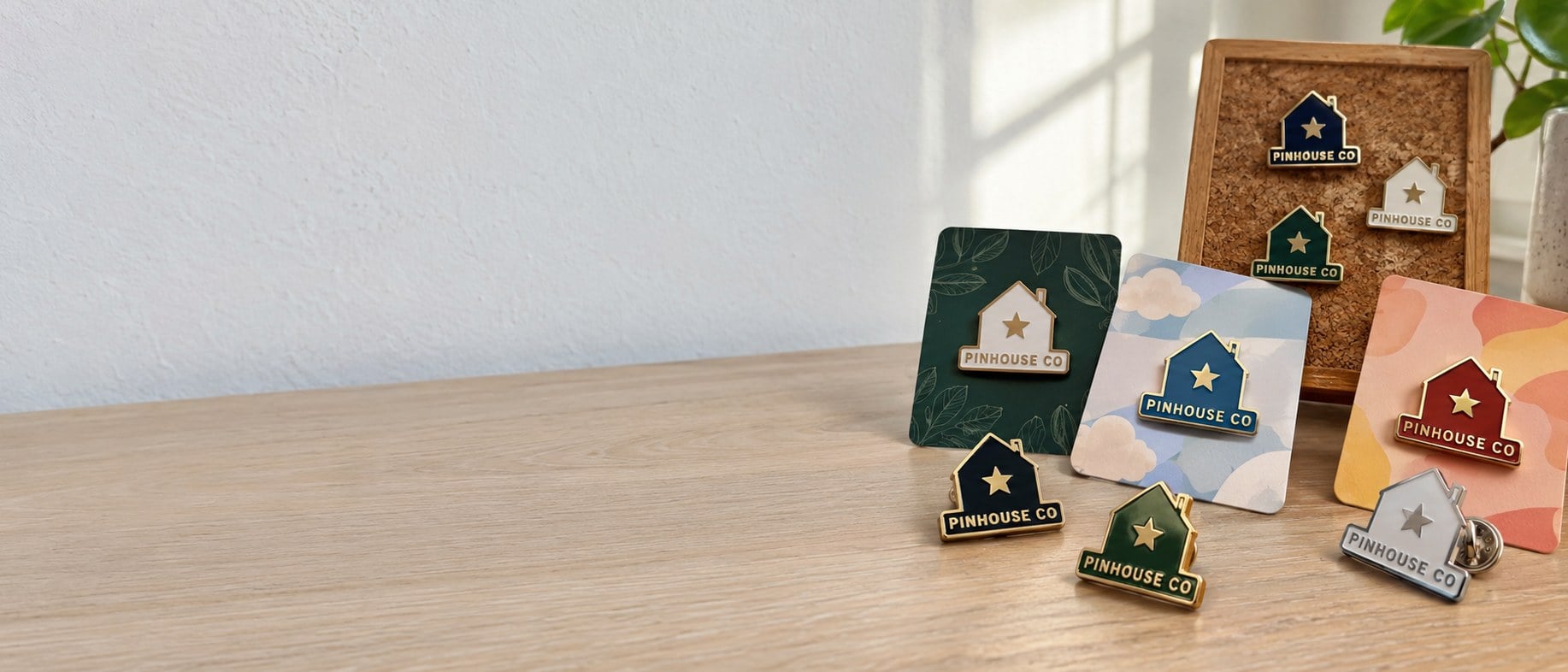
- Rubber clutches are standard on custom enamel pins from Customized Enamel Pins.
- Butterfly and locking clutches are available on request at the quote stage.
- The clutch choice does not change your artwork, plating or enamel colors.
- Every order starts with a free mockup within 24 hours, and you pay nothing until you approve the design.
- Standard turnaround is about 2 weeks, with faster turnaround available through express shipping.
What is the difference between rubber, butterfly and locking clutches on enamel pins?
The three clutches on enamel pins differ in material, grip and how they feel when you put the pin on and take it off. A rubber clutch is a soft cap that pushes onto the post and holds by friction. A butterfly clutch is a small metal back with two spring wings you pinch to release. A locking clutch is a metal back that grips the post and only lets go when you press or twist its release.
All three attach to the same single post on the back of the pin, so the front of your design does not change. Soft enamel, hard enamel, die-struck, glitter and printed pins can all be paired with any of the three. The choice comes down to how the pin will be worn, how often it will be removed, and how painful it would be if one fell off.
| Clutch | Material | Grip | Feel and look | Best for |
|---|---|---|---|---|
| Rubber | Soft rubber or PVC cap | Snug, holds by friction | Comfortable, colorful, casual | Everyday wear, giveaways, events |
| Butterfly | Metal with spring wings | Firm, quick to release | Traditional jewelry look | Suits, uniforms, formal lapels |
| Locking | Metal with a release mechanism | Strongest hold | Secure, slightly bulkier | Bags, hats, jackets, collectors |
When are rubber clutches the right choice for custom enamel pins?
Rubber clutches are the right choice for most custom enamel pins, which is why Customized Enamel Pins includes them as standard. They hold the post firmly through a normal day of wear, they will not scratch skin or fabric, and they come off easily when someone wants to move the pin to a different jacket or board.
Rubber backs also suit pins that change hands. Conference giveaways, school spirit pins, brand pins in welcome kits and fan merchandise all get handled by people who may not have worn a pin before. A rubber cap is intuitive: push on, pull off, no pinching. Because rubber clutches come in colors, they can also match a backing card or your brand palette.
- Comfortable against the body, with no sharp metal edges.
- Easy for first-time pin wearers to fasten and remove.
- Holds well on shirts, lanyards, cork boards and pin banners.
- Pairs neatly with custom backing cards for retail or gifting.
The trade-off is that a rubber cap can work loose over time on thick or stiff materials, or on a pin that gets bumped all day on a backpack strap. If that sounds like your use, keep reading.
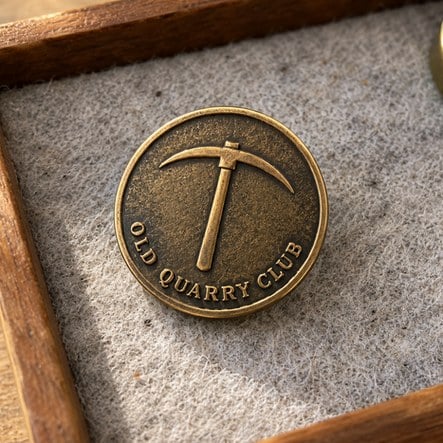
Why choose butterfly clutches for formal or professional enamel pins?
Butterfly clutches give enamel pins a traditional, polished finish that suits suit lapels, uniforms and recognition programs. The all-metal back matches the metal of the pin itself, so a gold or silver plated design looks complete from both sides, which matters when the pin is handed over in a presentation box or ceremony.
Butterfly backs are familiar to anyone who has worn a service or membership pin, and they release quickly with a pinch of the two wings. That makes them a practical match for die-struck lapel pins and hard enamel pins made for corporate milestones, association membership or uniform insignia.
Where butterfly clutches fall short
Metal wings can loosen if they are pinched open often, and the small back can be fiddly for people with less hand dexterity. On a bag strap or hat, a butterfly back is more likely to slip than a locking one. For pins that are pinned once and worn on the same jacket day after day, butterfly clutches remain a classic and dependable choice.
Are locking clutches worth it for enamel pins on bags, hats and trading lanyards?
Locking clutches are worth it whenever losing an enamel pin would be a real loss, such as limited-run collector pins, pins on backpacks and hats, and trading pins that travel on lanyards through a busy tournament weekend. The lock holds the post until the wearer deliberately releases it, so ordinary bumps and snags do not pull the pin free.
That security is why many collectors swap the stock backs on their favorite pins for locking ones. Ordering locking clutches from the start means your recipients never need to do that themselves. Teams ordering custom enamel pins for sports teams and leagues often weigh this choice, because trading pins get handled far more than a lapel pin ever will.
- Strongest hold of the three clutch types.
- Best for anything that moves: bags, hats, denim jackets, lanyards.
- Signals a premium, collectible pin to the person who receives it.
Locking backs sit slightly deeper behind the fabric and take a moment to learn. For a pin that will mostly sit on a display board, that extra security may not be needed.
Which clutch works best for each common enamel pin use?
The best clutch for enamel pins follows the wearing pattern, not the pin style. Use this quick match-up when you request a quote from Customized Enamel Pins, and mention the use in your notes so the team can confirm the pairing on your mockup.
| Use | Suggested clutch | Why |
|---|---|---|
| Event and conference giveaways | Rubber | Easy for anyone to wear on a lanyard or shirt |
| Employee service and award pins | Butterfly | Classic metal look for lapels and ceremonies |
| Uniform and membership pins | Butterfly or locking | Professional finish, with locking for active roles |
| Sports trading pins | Locking or rubber | Locking for lanyards that get handled all day |
| Backpack, hat and jacket pins | Locking | Resists bumps and snags on the move |
| Retail pins on backing cards | Rubber | Neat on the card and comfortable for buyers |
| Collector and limited editions | Locking | Protects pins people do not want to lose |
If one order serves two audiences, such as staff and customers, say so in your request. You can ask whether part of the run can ship with a different clutch rather than forcing one choice on everyone.
Does the clutch type change how you design or order enamel pins?
The clutch type does not change the front of your enamel pins, but it is worth thinking about the back during design. Every pin needs room behind it for the post, and a larger pin may balance better with two posts so it does not spin on fabric. If your design is wide or tall, ask whether a second post makes sense before you approve the mockup.
Back-stamping is another detail to plan alongside the clutch. Some buyers add a logo, edition note or website to the back of the pin, and that area needs to work around the post. Your mockup from Customized Enamel Pins shows the front design; use the revision rounds to raise any questions about the back.
- Decide where the pin will be worn most often.
- Pick the clutch that matches that use from the table above.
- Note the clutch, and any second post or back-stamp, in your quote request.
- Review the free mockup, sent within 24 hours, and request unlimited free revisions.
- Approve the design, then production runs on a standard turnaround of about 2 weeks.
What should you tell the team about clutches when requesting a quote?
When you request a quote for enamel pins, tell the team where the pins will be worn, who will wear them and whether they will be traded, gifted or sold. Those three details let Customized Enamel Pins recommend a clutch that fits, instead of defaulting to the standard rubber back when a butterfly or locking back would serve you better.
Include the clutch in the same message as your artwork, pin style and any packaging needs, such as backing cards or bags. If you are unsure, say so. The team can explain the trade-offs for your specific design before anything is produced, and nothing is charged until you approve the design. You can read the full process on the how it works page.
- Where the pins will be worn: lapel, lanyard, hat, bag or display board.
- Who receives them: staff, customers, players, members or collectors.
- Whether the pins will be traded or removed often.
- Your preferred pin style: soft enamel, hard enamel, die-struck, glitter or printed.
- Your event or delivery date, so timing can be confirmed.
Frequently asked questions
Do rubber clutches hold enamel pins securely enough for daily wear?
Rubber clutches hold enamel pins securely for ordinary daily wear on shirts, lanyards and jackets. The soft cap grips the post by friction and stays put through a normal day. On thick fabric, stiff bag straps or hats that get bumped constantly, a locking clutch is the safer choice. Customized Enamel Pins includes rubber clutches as standard and can discuss alternatives when you request a quote.
Can I order butterfly clutches instead of rubber backs on my enamel pins?
Butterfly clutches can be requested instead of the standard rubber backs on custom enamel pins. Mention the butterfly clutch in your quote request so it is confirmed before production. Butterfly backs suit formal lapel pins, uniforms and recognition awards because the metal back matches the plated finish of the pin. Your free mockup arrives within 24 hours, and nothing is charged until you approve.
Are locking clutches a good fit for enamel pins worn on backpacks?
Locking clutches are the strongest fit for enamel pins worn on backpacks, hats and jackets that move all day. The back stays clamped to the post until the wearer presses or twists the release, so bumps and snags rarely knock the pin free. Customized Enamel Pins can quote locking clutches for any pin style, including soft enamel, hard enamel and glitter designs.
Can one enamel pin order ship with two different clutch types?
Enamel pins in one order can sometimes be split between clutch types, for example rubber backs for customer giveaways and locking backs for staff. Ask about the split in your quote request and say how many pins need each back. The team will confirm what is possible for your design before you approve the mockup, so there are no surprises once production starts.
Should large enamel pins have two posts instead of one?
Large enamel pins often benefit from two posts, because a single post can let a wide or tall design rotate on fabric. Two posts keep the pin level and spread the hold across two clutches. If your design is on the bigger side, ask about a second post when you request a quote from Customized Enamel Pins and confirm it during your free mockup review.
Which clutch looks best on enamel pins sold on backing cards?
Rubber clutches usually look best on enamel pins sold on backing cards, because the soft caps sit flat behind the card and are comfortable for buyers to wear straight away. Colored rubber backs can also match the card design. If you sell collector or limited pins, locking clutches add a premium touch that pin collectors notice and appreciate.
Do sports trading enamel pins need locking clutches?
Sports trading enamel pins do not always need locking clutches, but they help when pins hang on lanyards through busy tournament weekends. Rubber backs are fine for pins that go straight onto a display banner or towel. Customized Enamel Pins can recommend a clutch once you explain how players and families will trade, carry and display the pins during the season.
Does the clutch type affect the turnaround time for enamel pins?
Enamel pins with rubber, butterfly or locking clutches follow the same process: a free mockup within 24 hours, unlimited free revisions, and a standard turnaround of about 2 weeks after approval. Faster turnaround is available with express shipping. Share your event date with Customized Enamel Pins in the quote request so the timeline can be confirmed for your chosen clutch and pin style.
Are butterfly clutches comfortable for people who wear enamel pins all day?
Butterfly clutches on enamel pins are comfortable for most wearers because the back sits behind the fabric, away from the skin, on a jacket or lanyard. On a thin shirt, the metal wings can be felt more than a soft rubber cap. For staff who wear the pin directly on lightweight uniforms all shift, rubber or locking backs may feel better.
Can enamel pins have a logo stamped on the back near the clutch?
Enamel pins can carry a back-stamp, such as a logo, edition note or website, on the reverse of the metal around the post. The clutch covers only a small area, so a simple back-stamp usually fits. Mention the back-stamp in your quote request to Customized Enamel Pins and confirm its placement during the free revision rounds before you approve the design.
What happens if a recipient loses the clutch from an enamel pin?
Enamel pins use a standard post, so a lost clutch can be replaced with a rubber, butterfly or locking back from any pin supplier or craft shop. If you expect recipients to lose backs, such as children at events or players trading on lanyards, choose locking clutches from the start or ask Customized Enamel Pins about including spare backs with your order.
Get a free mockup for your enamel pins
Send your logo or idea and the quantity you have in mind. Customized Enamel Pins returns a free mockup within 24 hours, you approve the design before anything is produced, and standard turnaround is about two weeks with faster options available. Get a custom quote.
Win Free Stuff
Enter below for a chance to win plus receive 10% off your first order.
🎉 You are in!
We will text you your 10% off code. Good luck!